Showing posts with label Goal Setting. Show all posts

Sunday, August 23, 2020

Balancing Art and Commerce in #Writing - tips for the #Writerslife #AmWriting


I've been talking about goals. It’s worth spending some time figuring out the balance between doing what you want to do and doing what you need to do to make money. 

Art versus Commerce in Writing Goals 


Molly also writes as Cece Barlow
Molly Blaisdell started by writing novels, but she needed to make an income and wanted to do it from writing. To turn writing into a career, she advises, “Take any gig you can get. If the checks don’t bounce, it’s a good gig.”

This attitude has given her dozens of books in print, most of them work for hire beginning readers or picture books. It also led to her first trade picture book, Rembrandt and the Boy Who Drew Dogs. “Work for hire made me bold and helped me put together a professional front,” Blaisdell says.

Not everyone puts income first. For Louise Spiegler, another job pays the bills. With writing, the main goal is always “to write compelling, passionate, funny, tragic, thought-provoking books that really speak to my readers. This means I need to keep pushing myself to work on my craft, to think hard and work hard.”

But Spiegler recognizes that being a successful writer doesn’t stop with craft. “Professionally, I also wanted to make sure that I get more people reading my second book, The Jewel and the Key than read my first. I get emails from people who have read The Amethyst Road and felt very moved by it. This is the most rewarding thing for me. I just want to make sure every book finds its readers.”

Janet S. Fox, author of picture books and novels such as The Charmed Children of Rookskill Castle, says, “I want my books to be exquisite. To be loved. To be read forever. To sell, yes—to be commercial—but to be beautiful, and beautifully crafted. I’m constantly questioning my work from two angles: will readers read it? And, will it be eternally beautiful? Commerce and craft—my overwhelming goal is to keep these two warring factions in balance.”

Keeping Your Writing Goals Flexible


Goals can change over time, as we learn more about ourselves and our field. Author Esther Hershenhorn discovered joy in helping other writers tell their stories well. “I began coaching writers in person, via the mail, on the phone, from near and far,” she said.

“Like my character Pippin Biddle in my picture book Fancy That, whose hidden talents save the day as well as his three orphaned sisters, I returned home from my journey with a prize far better than what I’d first sought. I spend my days doing what I love and loving what I do: writing, teaching and coaching other writers.”

Hershenhorn adds, “I remind my students to be open to unimagined possibilities and opportunities. I’ve watched writers assess their interests, talents, and experiences to find related children’s book niches—reviewing children’s books for a journal or website, writing curriculum materials, working with book fairs, selling at bookstores, writing PR plans for fellow writers, returning to library school.”

Chris Eboch’s book Advanced Plotting helps writers fine-tune their plots, while You Can Write for Children: How to Write Great Stories, Articles, and Books for Kids and Teenagers offers great insight to beginning and intermediate writers. Her novels for ages nine and up include The Eyes of Pharaoh, a mystery that brings ancient Egypt to life; and The Well of Sacrifice, an action-packed drama set in ninth-century Mayan Guatemala. Learn more at https://chriseboch.com/ or her Amazon page.
Chris also writes for adults under the name Kris Bock. Her Furrever Friends Sweet Romance series features the employees and customers at a cat café. Watch as they fall in love with each other and shelter cats. Get a free 10,000-word story set in the world of the Furrever Friends cat café when you sign up for the Kris Bock newsletter.

Kris Bock also writes romantic suspense novels. Fans of Mary Stewart, Barbara Michaels, and Nora Roberts will want to check out Kris Bock’s romantic adventures. “Counterfeits is the kind of romantic suspense novel I have enjoyed since I first read Mary Stewart’s Moonspinners.” 5 Stars – Roberta at Sensuous Reviews blog

Learn more at www.krisbock.com or visit Kris Bock’s Amazon US page or Amazon UK page. (For other countries click here.) Sign up for the Kris Bock newsletter  for announcements of new books, sales, and more.

Sunday, August 16, 2020

Goal Setting: Tips and Resources #Writing tips for the #Writerslife #AmWriting

Last week I talked about the importance of setting goals and occasionally reviewing them. Here are some resources to help you identify the specific steps you need to take to reach your overall goals.

Susan Uhlig, author of dozens of magazine stories and articles and a writing teacher, reviewed her annual goals on her website and explored what worked or didn't, and why, with advice for other goal setters. Here's an excerpt:

Some writers have word or page count goals per day. Others have a goal of finishing a chapter in a certain amount of time. Illustrators might have a number of paintings or sketches to accomplish in a certain time. What matters is to have what in the business world of project management is called a S.M.A.R.T. goal. Specific, Measurable, Attainable, Realistic and Timely. A goal such as "get an agent" isn't really under your control. A goal of "submit so many queries to agents by this date" is under your control and measurable.

Read her entire post on her website.


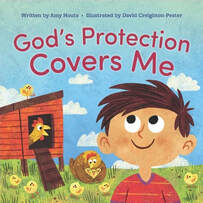
Amy Houts shared tips on goals lists. Here’s one tip I really like: Be specific—don’t just write, for example, “Complete assignment.” Break the assignment down into specific steps. For any of the writing courses, these steps would include: reading the course manual, working through the exercises, scanning the related reading, and studying your textbooks. Once that’s completed, you can begin writing the first draft, editing, revising, and proofreading. 

I like this because it helps you stay realistic. If your goal is “I’m going to write that sci-fi story this weekend!”, you may be disappointed and frustrated when you work really hard at it but still fail. But if you break it down into steps, you may realize that by the time you research, brainstorm, and outline, you’ll have filled up your available free time. Then you can set a more realistic goal for this weekend and the next one.


EXERCISE: Goal Setting 


•    What is my primary writing goal?
•    What are my secondary writing goals?
•    How can these goals work together? Do they contradict each other at all? Do they interfere with other career, family or personal goals?
•    What steps do I need to take? Do I need to work on specific craft techniques, time management, market research, or submissions?

•    Which steps come first? How can I schedule the steps to reach my goals?

Click on the “goal setting” link in the right-hand column for more on this topic.

Have certain goals setting exercises work for you? Do you have any advice to share?


Kris writes for children under the name Chris Eboch. Her novels for ages nine and up include The Eyes of Pharaoh, a mystery that brings ancient Egypt to life; and The Well of Sacrifice, an action-packed drama set in ninth-century Mayan Guatemala. Her book Advanced Plotting helps writers fine-tune their plots, while You Can Write for Children: How to Write Great Stories, Articles, and Books for Kids and Teenagers offers great insight to beginning and intermediate writers. Learn more at https://chriseboch.com/ or her Amazon page.

Chris also writes for adults under the name Kris Bock. Her Furrever Friends Sweet Romance series features the employees and customers at a cat café. Watch as they fall in love with each other and shelter cats. Get a free 10,000-word story set in the world of the Furrever Friends cat café when you sign up for the Kris Bock newsletter.

Kris Bock also writes romantic suspense novels. Fans of Mary Stewart, Barbara Michaels, and Nora Roberts will want to check out Kris Bock’s romantic adventures. “Counterfeits is the kind of romantic suspense novel I have enjoyed since I first read Mary Stewart’s Moonspinners.” 5 Stars – Roberta at Sensuous Reviews blog

Learn more at www.krisbock.com or visit Kris Bock’s Amazon US page or Amazon UK page. (For other countries click here.) Sign up for the Kris Bock newsletter  for announcements of new books, sales, and more.

Sunday, August 9, 2020

Set Your Goals, Step By Step: #Writing tips for the #Writerslife #AmWriting

I’ve been talking about career goals. Now it’s your turn.

Exercise: Goal Setting


What is my primary writing goal?

What are my secondary writing goals?

How can these goals work together? Do they contradict each other at all? Do they interfere with other career, family or personal goals?

What steps do I need to take? Do I need to work on specific craft techniques, time management, market research, or submissions?

Which steps come first? How can I schedule the steps to reach my goals?

A regular review of your personal goals can keep you on track, or help you recognize when it’s time to change. Once you identify your priorities, you can take steps to get there. If money is the priority, you might focus on work for hire and market research. If your ideal is winning major literary awards, maybe you need to take more classes to work on your craft. The journey may still be a long one, but you take the first step by identifying where you want to go.

Successful Goal Setting for Writers


Janet S. Fox said, “When I started writing for children I had one goal: to get published!” She found a critique group to help her on that path. “My critique partners and I shared the goal of publishing—but we also shared the goals of improving our craft, of learning about the nuances of the publishing industry, of understanding structure, character, and voice. We pushed each other, and attended conferences together.” They are all now published.


Large-scale, general goals need to be broken into specific small steps. Sydney Salter, author of My Big Nose and Other Natural Disasters and the award-winning Swoon at Your Own Risk said, “When I decided that I really wanted to make writing a professional career, not just a hobby, I bought an engagement calendar to use just for my writing. Each day I recorded what I had done to work on my writing career, whether it was revising a magazine article, researching a novel, writing 1,500 words, or reading a Newbery winning novel over the weekend. 

“I also recorded goals at the beginning of each month to keep myself on track—things like write 12,000 words, submit teen story to Children’s Writer contest, read three MT Anderson books. This technique kept me focused on my goals and allowed me to have some small successes, such as published magazine stories and contest wins, while I worked toward book publication.”

Improve your plots
Writers may benefit from reviewing their goals yearly, or even more often. You may also want to review goals whenever you feel bored or frustrated, as instinct may be telling you that you’re on the wrong path.

It’s good to have big goals, even fantasies, but break them down into shorter-term goals, and lists the steps you need to take to get there. To be a rich and famous writer would be nice. But you may need to start by taking writing classes to build your storytelling skills. Then there’s the discipline of writing on a regular schedule, finding helpful critiques, editing, market research, networking... all the steps along the way. You can’t jump ahead to the end, but you can keep moving along the path.

Make your goals as specific as possible. (See my last post.)

You may also need to break down goals into short-term and long-term. Making enough money to quit your day job may be a five-year or 10-year goal. You can then set short-term goals to help you get there.

Goal setting should involve the entire career, from time management to craft to market research and submissions to publicity for published works.

You may not achieve every goal you set, but at least you’ll be heading in the right direction. Then you just have to remember to enjoy the journey.

Tip: If your goals include polishing a manuscript and becoming a better writer, consider getting professional feedback! See my critique rates and recommendations on my website.

Kris writes for children under the name Chris Eboch. Her novels for ages nine and up include The Eyes of Pharaoh, a mystery that brings ancient Egypt to life; and The Well of Sacrifice, an action-packed drama set in ninth-century Mayan Guatemala. Her book Advanced Plotting helps writers fine-tune their plots, while You Can Write for Children: How to Write Great Stories, Articles, and Books for Kids and Teenagers offers great insight to beginning and intermediate writers. Learn more at https://chriseboch.com/ or her Amazon page.

Chris also writes for adults under the name Kris Bock. Her Furrever Friends Sweet Romance series features the employees and customers at a cat café. Watch as they fall in love with each other and shelter cats. Get a free 10,000-word story set in the world of the Furrever Friends cat café when you sign up for the Kris Bock newsletter.

Kris Bock also writes romantic suspense novels. Fans of Mary Stewart, Barbara Michaels, and Nora Roberts will want to check out Kris Bock’s romantic adventures. “Counterfeits is the kind of romantic suspense novel I have enjoyed since I first read Mary Stewart’s Moonspinners.” 5 Stars – Roberta at Sensuous Reviews blog


Learn more at www.krisbock.com or visit Kris Bock’s Amazon US page or Amazon UK page. (For other countries click here.) Sign up for the Kris Bock newsletter  for announcements of new books, sales, and more.

Sunday, August 2, 2020

Yes You Can: Making and Achieving Your #Writing Goals #amwriting #writerslife

The quarantimes are befuddling. Depending on your job and family situation, you may suddenly have more free time – or less, with kids home demanding attention. Add in summer, when bright early mornings and long, late evenings may inspire you to work – or distract you with outdoor activities or lazy drinks on the patio. Either way, if you expect changes in your schedule or mood, it’s worth setting some goals now. This month's posts will focus on ... 

Goal setting for your writing life


Where would you (realistically) like to be at the end of this year?

Learn all about writing for children
To start, consider where you want to go in your writing life. Do you want to make a steady income? Or is it more important to write what you love, regardless of the market? Do you care more about winning awards or getting laughs? Goal setting should involve the entire career, from time management to craft to market research and submissions to publicity for published works.

Make your goals as specific as possible. For example, “Make money from writing” is a vague goal. Will you be happy with $10 from an online poem just so you can say you’ve been paid? Do you want to make an annual profit so you can claim writing as a business on your tax forms? Contribute a certain amount to the family income? Quit your day job?
You may also need to break down goals into short-term and long-term. Making enough money to quit your day job may be a 10-year goal. You can then set short-term goals to help you get there. You can’t jump ahead to the end, but you can keep moving along the path.

Goals can change over time, as we learn more about ourselves and our field. Author and writing coach Esther Hershenhorn said, “I’ve watched writers assess their interests, talents and experiences to find related niches—reviewing books for a journal or website, writing curriculum materials, working with book fairs, selling at bookstores, writing PR plans for fellow writers, returning to library school.”

It’s important to realize when you are consciously changing goals, and when you’re being led astray. Suzanne Morgan Williams found a tempting side path early on, when a fiction submission led to an offer of a nonfiction book project and eventually ten books. Williams could have stayed on that easy path, but she remembered her original goal: to write fiction. Eventually, she said, “I made the conscious decision not to pursue more nonfiction contracts until I’d spent some real time working on my fiction skills.” With that new focus, Williams wrote and sold her first novel, Bull Rider.

Author Sydney Salter said, “When I decided that I really wanted to make writing a professional career, not just a hobby, I bought an engagement calendar to use just for my writing. Each day I recorded what I had done to work on my writing career, whether it was revising a magazine article, researching a novel, writing 1,500 words, or reading a Newbery-winning novel over the weekend. I also recorded goals at the beginning of each month to keep myself on track—things like write 12,000 words, submit teen story to Children’s Writer contest, read three MT Anderson books. This technique kept me focused on my goals and allowed me to have some small successes, such as published magazine stories and contest wins, while I worked toward book publication.”

Each step on the path not only brings you closer to your destination, it also builds valuable skills for when you arrive. Salter says, “When I found an interested agent, I was grateful for the discipline that I’d learned through years of treating my writing seriously. My editor also appreciates my work ethic.” Sydney's published books include the middle grade novel Jungle Crossing and the young adult comedies My Big Nose And Other Natural Disasters and Swoon At Your Own Risk. 

Improve your plotting
You may not achieve every goal you set. You can’t win an award just because you want to, or even because you work really hard. But you can focus on improving your craft so you can write books of the style and quality that win awards. That puts you on the right path. Perhaps that path will lead to the realization of your dream. At least you’ll be heading in the right direction, and can enjoy the journey.

Start thinking about your overall goals now. Next week, I’ll offer specific tips and resources for identifying the steps you need to take to get to your writing goals.

Chris Eboch's book Advanced Plotting helps writers fine-tune their plots, while You Can Write for Children: How to Write Great Stories, Articles, and Books for Kids and Teenagers offers great insight to beginning and intermediate writers. Her novels for ages nine and up include The Eyes of Pharaoh, a mystery that brings ancient Egypt to life; and The Well of Sacrifice, an action-packed drama set in ninth-century Mayan Guatemala. Learn more at https://chriseboch.com/ or her Amazon page.

Chris also writes for adults under the name Kris Bock. Her Furrever Friends Sweet Romance series features the employees and customers at a cat café. Watch as they fall in love with each other and shelter cats. Get a free 10,000-word story set in the world of the Furrever Friends cat café when you sign up for the Kris Bock newsletter.

Kris Bock also writes romantic suspense novels. Fans of Mary Stewart, Barbara Michaels, and Nora Roberts will want to check out Kris Bock’s romantic adventures. “Counterfeits is the kind of romantic suspense novel I have enjoyed since I first read Mary Stewart’s Moonspinners.” 5 Stars – Roberta at Sensuous Reviews blog


Learn more at www.krisbock.com or visit Kris Bock’s Amazon US page or Amazon UK page. (For other countries click here.) Sign up for the Kris Bock newsletter  for announcements of new books, sales, and more.

Thursday, January 1, 2015

Happy New Year! Do you make New Year’s resolutions?

Happy New Year!

Do you make New Year’s resolutions? I have some problems with the concept of “resolutions” (mainly in the way it’s almost assumed that you’ll keep them for a week or two and then fail). However, I do think it’s a good idea to check-in with yourself a couple of times a year. Are you on the path you want to be on? Do you even know the path you want to be on? Do you have a plan with achievable, specific goals along the way?

We did several SCBWI schmoozes in Albuquerque on issues in the writing life. During one meeting, we explored the idea of success. Here are some notes. Consider getting together with your critique group, other writing friends, or your family, to share these goals and figure out ways to keep each other on track.

Defining Success

If you have only vague ideas of what “success” means for your writing career, spend some time defining what success means to you. Set specific, achievable goals. Preface your resolutions or goals with a phrase such as, “I’m going to make my very best effort to _____________.” Ask yourself:

  • What is my primary writing goal?

  • What are my secondary writing goals?

  • How can these goals work together? Do they contradict each other at all? Do they interfere with other career, family, or personal goals?

  • What steps do I need to take? Do I need to work on specific craft techniques, time management, market research, or submissions?

  • Which steps come first? How can I schedule the steps to reach my goals?

It's easy to set goals and then forget all about them, so find a way to check in regularly – put a pop-up notice on your computer calendar, make goals check-in a monthly part of your critique group meeting, or have a weekly online chat with friends where you check progress.

More help (these  are older posts, but the ideas are still valuable):

Goal Setting Without Fear, from Crime Fiction Collective, by Peg Brantley: “One of my favorite sayings is ‘It doesn’t matter where you start out. What matters is where you end up.’”

Kelly Bennett on defining what you want as a writer: “I defined for myself what being a successful writer meant. Not vague “I want to be somebody,” wishes, either….”

Luke Reynolds on Redefining Success: “Redefining success allows us to continue to focus on the work at hand rather than the result.”

A Writer’s HAPPY New Year, by Kristi Holl: “I am going through my goals list again. I am adding goals geared toward renewal.” (Kristi has a great inspirational blog on issues in the writing life, such as overcoming self-doubt.)

Make Your Own Luck, by Angela Ackerman: We tend to say, “If I could ____, then it would help me succeed. Whatever your blank is, instead of thinking that it’s too hard to do, or something out of your control, Make Your Own Luck.”

Writing and Life Balance, by Susan Uhlig: on Discipline, Setting Priorities, and managing Life and Volunteer Duties.

Did you make writing resolutions this year? Did this post inspire you to start? How are you going to make sure you stay on track?

Thursday, January 3, 2013

New Year's Resolutions and Writing Goals

I have mixed feelings about New Year's resolutions. On the one hand, January 1 is just another day of the year, and it seems like most people set up vague and overly-ambitious resolutions that they quickly drop. On the other hand, I am in favor of regularly reviewing writing and life goals. That's the only way to clearly see what path you are on and figure out how to get where you want to go. And the beginning of the new year is as good as any time to do that!

I'll be leading the January SCBWI schmooze in Albuquerque, where we'll continue a series on the writing life. This time, we'll be discussing our goals and how to make them happen. In preparation, I've been tracking other blog posts on goals and resolutions. There's lots of great advice here.

Redefine Success, from Luke Reynolds (highly recommended).

Set Goals NOW for 2013, from Writers First Aid by Kristi Holl.

How's the Work Going? It All Depends: Focus on this moment, this day, this year, also from Writers First Aid by Kristi Holl.

Make Your Own Luck, by Angela Ackerman: What can you do to give yourself the best chance of success? 

Margaret Peterson Haddix on how she has defined success. (Hear how other authors define success with Cynsations Career Builder series.) 

Writing and Life Balance (Discipline, Setting Priorities, and Life and Volunteer Duties), by Susan Uhlig.

Writing In No Time, from this blog.

Debut Author vs. Career Author (although this one is targeting published authors, much of the planning and organizational advice should be useful to pre-published authors as well).

In personal news, I've been invited to join the Project Mayhem group blog. Learn about the new members here. I'm planning to stop posting to this blog (though I'll leave it up so you can visit the archives) sometime in the near future, and move my activity to Project Mayhem. I'll still be talking about the craft and business of writing, along with some other book topics. I'm looking forward to a new venue, a lighter schedule (a couple of posts per month from me), and the chance for a little more diversity in my topics. Please consider following Project Mayhem for news and thoughts from "The Manic Minds of Middle Grade Writers."

Friday, October 28, 2011

Set Your Career Goals


When we start writing, we may simply want to write good stories, or get published somewhere. As we find our strengths, we narrow our focus. We like fiction or nonfiction, books or magazines, one genre or age range.

Writers need another kind of focus as well. Where do you want to go in your writing life? Do you want to make a steady income? Or is it more important to write what you love, regardless of the market? Do you care more about winning awards, or getting laughs from reluctant readers? In my next few posts, I’ll talk about my personal journey, feature some other writers, and offer tips for setting your own goals.

From the beginning, my focus was professional. I got my MA degree in Professional Writing and Publishing and worked for magazines. For fun, I wrote a historical adventure set in Mayan times, The Well of Sacrifice (Clarion, 1999), which is still used by schools when they teach Mayan history. But after that I couldn’t sell historical fiction.

I wrote for children because I loved it. But I also wanted to live off of my writing, not hold down another job and write on the side. I pursued articles, work for hire, teaching, anything that might pay the bills.

The jobs improved over time, both financially and in terms of enjoyment. I also got to work with editors and learn from their feedback. Ghostwriting a book about a popular girl sleuth taught me about cliffhanger endings. Writing fictionalized biographies on Jesse Owens and Milton Hershey let me practice fast-paced action and dialogue for young readers. Analyzing students’ stories for the Institute of Children’s Literature showed me vividly what worked and what didn’t. Best of all, I could support myself through writing, teaching, and critiquing.

I kept working on my own projects as well. I developed a series about a brother and sister who travel with a ghost hunter TV show. It was fun to write, but it also hit the market—a quick, easy read for ages nine to 12, a contemporary story with a spooky supernatural element and some humor.

Aladdin paperbacks launched this series, Haunted, in 2009, with The Ghost on the Stairs. I wrote something I loved and made good money from it.

Unfortunately, the market changed, my editor lost an internal battle at the publisher, and the series got dropped (in other words, normal publishing upheavals). My editor became my agent, and together we brainstormed ideas that might hit the market. One of those is under development at a book packager.

I also started writing for adults, under the name Kris Bock. This was largely motivated by the fact that I wanted a change. I found myself reading more romantic suspense, while the middle grade novels sat on my shelf until I had to return them to the library. But I also considered my career. Genre fiction was, in general, selling better and paying more money than writing for children.

I didn’t have to choose between what I wanted to do and what someone else might want to buy; the two matched. I did, however, study the genre, both by reading books in the genre with a critical eye and by studying advice on writing romance. I needed to make sure I hit the proper word count, used the required basic elements of the genre (such as a satisfying happy ending), and matched a tone and point of view that readers would find comfortable.

I also considered both my career and my preferences in terms of creating my “brand.” As Kris Bock, I focus on action-packed adventures set in the Southwest, often (at least in part) in the wilderness.

So as I’ve shown, you don’t have to choose between writing what you love and building your career. You can combine the two, although it may mean adjusting or adapting to the market. It’s been a tough journey, with ups and downs over the years, and a lot of variety in the work I do: fiction and nonfiction, writing for children and adults, articles, books, teaching, critiquing, and more. But I enjoy it all, so it’s worked for me.

Next week, I’ll let some other authors share insight on their career decisions.